Platform comparison
| Platform | YES odds | NO odds | Fee | KYC | Settlement | |
|---|---|---|---|---|---|---|
Polymarket (via Polymarket Bot UK) Pick polygram.ink (preferred broker) |
22% | 78% | 0% (USDC on-chain) | No-KYC up to $1,500 | USDC, auto via UMA oracle | Place a position → |
Polymarket (direct) polymarket.com |
22% | 78% | 0% | Geo-blocked in US/UK/EU | USDC, on-chain | Place a position → |
Kalshi kalshi.com |
— | — | Up to 7% per trade | US-only, KYC required | USD | Place a position → |
Betfair Exchange betfair.com |
— | — | 2-5% commission | Full KYC from first trade | GBP / EUR | Place a position → |
Manifold Markets manifold.markets |
— | — | Play-money (mana) | None — play-money | Mana (no cash-out) | Place a position → |
Outcome probabilities
Current market-implied probability for each outcome, from the live order book.
| Outcome | Probability |
|---|---|
| July 31 | 22% |
| June 26 | 0% |
| June 30 | 0% |
Market context
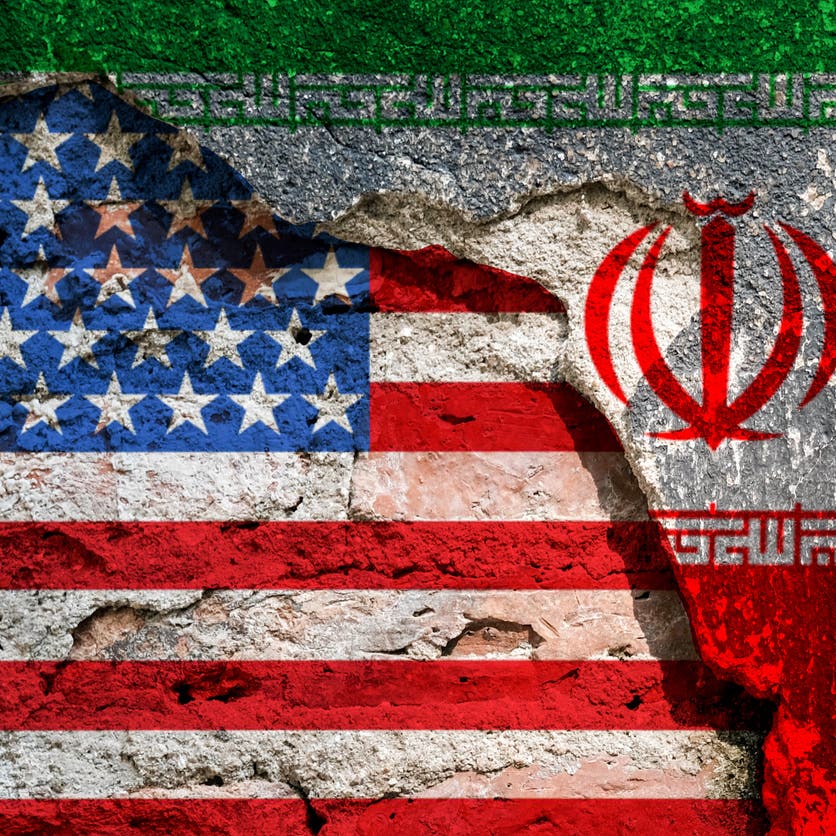
The United States and Iran have formally agreed to a 14-point memorandum of understanding that halts immediate military operations and initiates a 60-day negotiation window for a final peace deal, signed in Switzerland on 19 June 2026. This agreement mandates an immediate cessation of hostilities across all fronts, including Lebanon, and commits the US to lifting its naval blockade within 30 days while offering Iran access to frozen assets and oil export waivers[1][2].
Historically, such interim frameworks in high-stakes geopolitical conflicts rarely collapse before their negotiation deadlines unless a major external shock occurs, which explains the current crowd-implied probability of 0% for US withdrawal. Comparable cases, such as the 2015 Iran nuclear interim agreement or the 1993 Oslo Accords, show that once formal signing and immediate de-escalation measures are enacted, the political cost of abrupt termination becomes prohibitive for the administering government, making the current zero probability a rational assessment of stability[3][4].
Traders should monitor the scheduled 60-day negotiation timeline ending in mid-August 2026, specifically watching for any official statements from the White House or State Department regarding compliance with the MOU’s nuclear and territorial clauses[5]. The primary catalyst for a potential shift would be a breach of the ceasefire in Lebanon or a failure to lift the naval blockade by the 30-day deadline, events that would trigger immediate congressional scrutiny and could force a public US announcement of termination[6][7]. Recent reporting confirms that the US has already begun waiving sanctions and facilitating oil exports, indicating active implementation rather than stagnation[1][3].
Methodology
We track US announces withdrawal from MOU negotiations by 2026? across the five venues with material prediction-market liquidity. The probability shown is the live Polymarket mid; the comparison rows summarise how each venue treats the underlying contract — fees, KYC thresholds, settlement currency, deposit options. The highlighted row marks the cheapest route into Polymarket's order book.
Resolution & payout
Polymarket-based markets settle through the UMA Optimistic Oracle on Polygon. A proposer submits the outcome, a two-hour challenge window opens, and unchallenged proposals finalise the resolution. Payouts settle automatically in USDC the moment the result is final — no bookmaker, no delay.
Kalshi-based markets settle in USD via the CFTC-regulated clearinghouse. Betfair Exchange settles in GBP/EUR net of commission. Manifold is play-money and does not pay out real funds.
FAQ
- Where can I trade this market with the lowest fees?
- Polymarket is geo-blocked in the US/UK/EU. The easiest 0%-fee broker into the same order book is Polymarket Bot UK. Kalshi charges up to 7% per trade; Betfair Exchange takes 2-5% commission on net winnings.
- How does resolution work?
- Through the UMA Optimistic Oracle on Polygon: a proposer submits the outcome, a two-hour challenge window opens, and USDC payouts settle automatically once the result is final.
- What's the difference between YES and NO shares?
- A YES share pays $1.00 if the event happens, $0 otherwise. A NO share pays $1.00 if the event doesn't happen. The market price between 0¢ and 100¢ is the implied probability.
- Do I need to KYC for this market?
- On Polymarket directly, no — it's wallet-based. Intermediary brokers like Polymarket Bot UK trigger KYC only above $1,500 of lifetime trading volume; under that you trade pseudonymously with a single wallet address.
- How reliable are the quoted odds?
- The YES/NO percentages are the live mid-prices of the Polymarket order book. On deep markets they move every few seconds; on thinner ones you'll see short plateaus.
%22%2F%3E%3Cpath%20d%3D%22M%206%2066%20A%2026%2026%200%200%201%2058%2066%22%20fill%3D%22%23E6B98D%22%20opacity%3D%220.9%22%2F%3E%3Ccircle%20cx%3D%2232%22%20cy%3D%2226%22%20r%3D%2222%22%20fill%3D%22%23F5CBA7%22%2F%3E%3Crect%20x%3D%2214%22%20y%3D%224%22%20width%3D%2236%22%20height%3D%228%22%20rx%3D%224%22%20fill%3D%22%230ea5e9%22%2F%3E%3C%2Fsvg%3E) and
and%22%2F%3E%3Cpath%20d%3D%22M%206%2066%20A%2026%2026%200%200%201%2058%2066%22%20fill%3D%22%23E6B98D%22%20opacity%3D%220.9%22%2F%3E%3Ccircle%20cx%3D%2232%22%20cy%3D%2226%22%20r%3D%2222%22%20fill%3D%22%23F5CBA7%22%2F%3E%3Cpolygon%20points%3D%2216%2C18%2020%2C4%2024%2C18%22%20fill%3D%22%230ea5e9%22%2F%3E%3Cpolygon%20points%3D%2224%2C18%2028%2C3%2032%2C18%22%20fill%3D%22%230ea5e9%22%2F%3E%3Cpolygon%20points%3D%2232%2C18%2036%2C3%2040%2C18%22%20fill%3D%22%230ea5e9%22%2F%3E%3Cpolygon%20points%3D%2240%2C18%2044%2C4%2048%2C18%22%20fill%3D%22%230ea5e9%22%2F%3E%3C%2Fsvg%3E)
Trade US announces withdrawal from MOU negotiations by 2026? on Polymarket Bot UK
Live order book, 0% fees, USDC settlement in seconds.
Open live market →