Platform comparison
| Platform | YES odds | NO odds | Fee | KYC | Settlement | |
|---|---|---|---|---|---|---|
Polymarket (via Polymarket Bot UK) Pick polygram.ink (preferred broker) |
100% | 0% | 0% (USDC on-chain) | No-KYC up to $1,500 | USDC, auto via UMA oracle | Place a position → |
Polymarket (direct) polymarket.com |
100% | 0% | 0% | Geo-blocked in US/UK/EU | USDC, on-chain | Place a position → |
Kalshi kalshi.com |
— | — | Up to 7% per trade | US-only, KYC required | USD | Place a position → |
Betfair Exchange betfair.com |
— | — | 2-5% commission | Full KYC from first trade | GBP / EUR | Place a position → |
Manifold Markets manifold.markets |
— | — | Play-money (mana) | None — play-money | Mana (no cash-out) | Place a position → |
Outcome probabilities
Current market-implied probability for each outcome, from the live order book.
| Outcome | Probability |
|---|---|
| 33°C | 100% |
| 34°C | 1% |
| 30°C or below | 0% |
| 31°C | 0% |
| 32°C | 0% |
| 35°C | 0% |
| 36°C | 0% |
| 37°C | 0% |
| 38°C | 0% |
| 39°C | 0% |
| 40°C or higher | 0% |
Market context
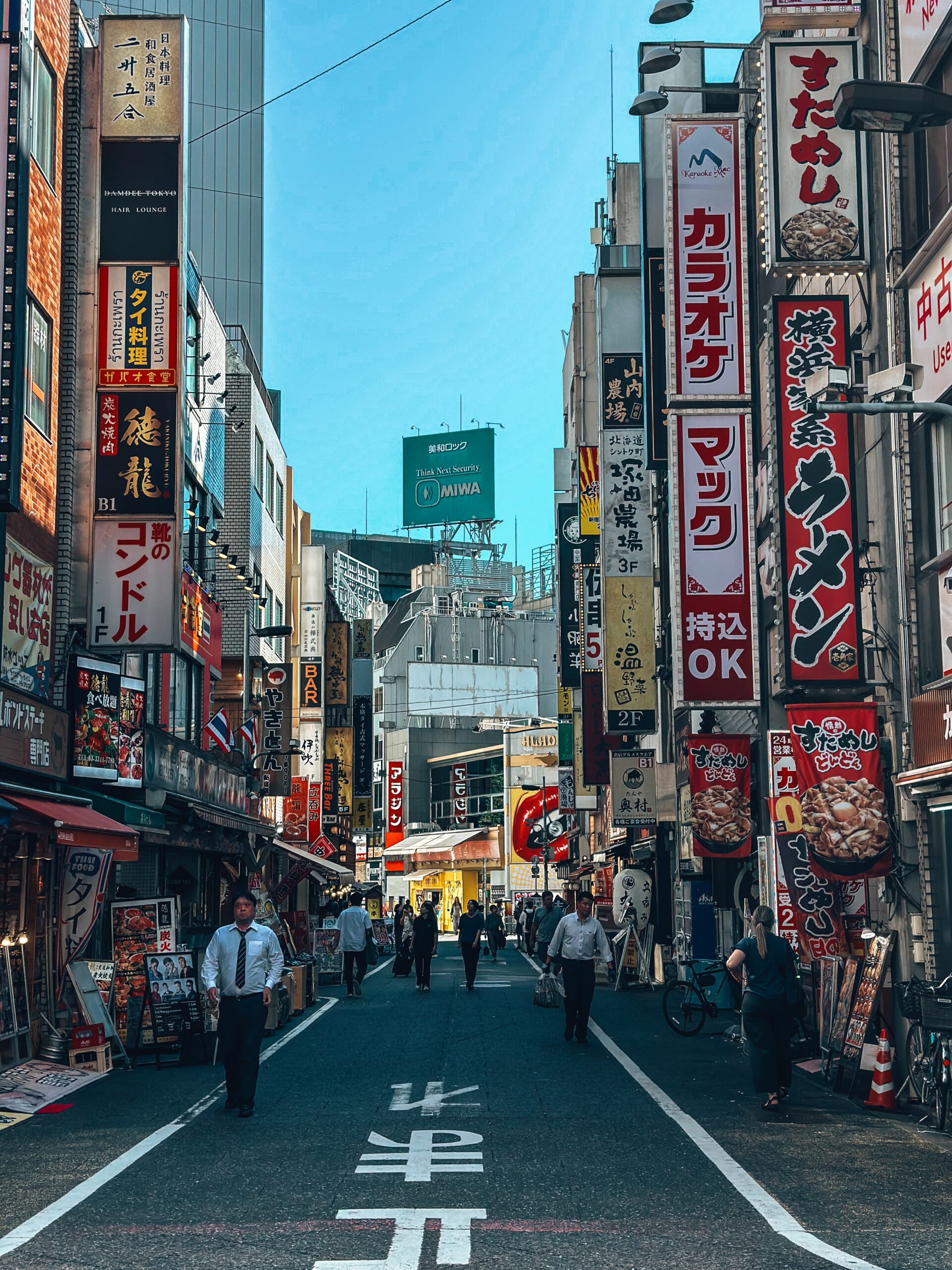
At Tokyo Haneda Airport, the question is whether the day’s maximum temperature lands in the low, middle or upper part of the station’s usual August range before the market closes at 12:00 UTC. August is Tokyo’s hottest month on most climatologies, with average highs around 31°C and typical daytime peaks near 31–34°C, while recent forecast products for Tokyo in late August have shown daily highs clustered around 82–90°F, or roughly 28–32°C.[1][2][6]
For framing the current 0% crowd price, the useful comparison is not the citywide monthly average but the distribution of daily peaks at a single airport station. Historical Tokyo data show August extremes can reach the high 30s Celsius, with one source citing a record high of 37.3°C in August 1994 and another citing 37.7°C for the month, while more ordinary August days sit close to 30–31°C.[2][3][7] A programme that polls Wunderground should therefore treat the market as a tail event on the upper bins: unless the morning has already established unusually hot conditions, the late-morning ramp often matters more than the overnight minimum.[10]
A trader watching this like a tooling problem would key off forecast updates, radar, and station observations, then map the expected high into the market’s settlement bands. For Tokyo in early August, the main catalyst is whether any heat spike, cloud cover, or rain band shifts the diurnal peak up or down before midday; recent outlooks for the city have pointed to highs in the low 80s to around 90°F, implying a centre of mass in the high-20s to low-30s Celsius rather than an extreme outlier.[6][12] Programmatically, that means comparing live and forecast feeds against the Wunderground daily maximum for RJTT and updating orders if the expected peak drifts across a boundary.
Methodology
This page is a comparison snapshot: one live quote, four reference venues with their key attributes, and a single execution path — every trade button routes to Polymarket Bot UK, which mirrors the Polymarket order book directly.
Resolution & payout
Polymarket-based markets settle through the UMA Optimistic Oracle on Polygon. A proposer submits the outcome, a two-hour challenge window opens, and unchallenged proposals finalise the resolution. Payouts settle automatically in USDC the moment the result is final — no bookmaker, no delay.
Kalshi-based markets settle in USD via the CFTC-regulated clearinghouse. Betfair Exchange settles in GBP/EUR net of commission. Manifold is play-money and does not pay out real funds.
FAQ
- How does resolution work?
- Through the UMA Optimistic Oracle on Polygon: a proposer submits the outcome, a two-hour challenge window opens, and USDC payouts settle automatically once the result is final.
- What's the difference between YES and NO shares?
- A YES share pays $1.00 if the event happens, $0 otherwise. A NO share pays $1.00 if the event doesn't happen. The market price between 0¢ and 100¢ is the implied probability.
- How fast are USDC deposits?
- Polygon credits deposits after 12 confirmations — usually under 30 seconds. Withdrawals follow the same path and land back in your wallet within minutes.
- Do I need to KYC for this market?
- On Polymarket directly, no — it's wallet-based. Intermediary brokers like Polymarket Bot UK trigger KYC only above $1,500 of lifetime trading volume; under that you trade pseudonymously with a single wallet address.
- How reliable are the quoted odds?
- The YES/NO percentages are the live mid-prices of the Polymarket order book. On deep markets they move every few seconds; on thinner ones you'll see short plateaus.
%22%2F%3E%3Cpath%20d%3D%22M%206%2066%20A%2026%2026%200%200%201%2058%2066%22%20fill%3D%22%23E6B98D%22%20opacity%3D%220.9%22%2F%3E%3Ccircle%20cx%3D%2232%22%20cy%3D%2226%22%20r%3D%2222%22%20fill%3D%22%23F5CBA7%22%2F%3E%3Crect%20x%3D%2214%22%20y%3D%224%22%20width%3D%2236%22%20height%3D%228%22%20rx%3D%224%22%20fill%3D%22%230ea5e9%22%2F%3E%3C%2Fsvg%3E) and
and%22%2F%3E%3Cpath%20d%3D%22M%206%2066%20A%2026%2026%200%200%201%2058%2066%22%20fill%3D%22%23E6B98D%22%20opacity%3D%220.9%22%2F%3E%3Ccircle%20cx%3D%2232%22%20cy%3D%2226%22%20r%3D%2222%22%20fill%3D%22%23F5CBA7%22%2F%3E%3Cpolygon%20points%3D%2216%2C18%2020%2C4%2024%2C18%22%20fill%3D%22%230ea5e9%22%2F%3E%3Cpolygon%20points%3D%2224%2C18%2028%2C3%2032%2C18%22%20fill%3D%22%230ea5e9%22%2F%3E%3Cpolygon%20points%3D%2232%2C18%2036%2C3%2040%2C18%22%20fill%3D%22%230ea5e9%22%2F%3E%3Cpolygon%20points%3D%2240%2C18%2044%2C4%2048%2C18%22%20fill%3D%22%230ea5e9%22%2F%3E%3C%2Fsvg%3E)
Trade Highest temperature in Tokyo on August 2? on Polymarket Bot UK
Live order book, 0% fees, USDC settlement in seconds.
Open live market →