Platform comparison
| Platform | YES odds | NO odds | Fee | KYC | Settlement | |
|---|---|---|---|---|---|---|
Polymarket Bot UK Pick polygram.ink |
8% | 92% | 0% (USDC on-chain) | No-KYC up to $1,500 | USDC, auto via UMA oracle | Open on Polymarket Bot UK → |
Polymarket polymarket.com |
8% | 92% | 0% | Geo-blocked in US/UK/EU | USDC, on-chain | Open on Polymarket Bot UK → |
Kalshi kalshi.com |
— | — | Up to 7% per trade | US-only, KYC required | USD | Open on Polymarket Bot UK → |
Betfair Exchange betfair.com |
— | — | 2-5% commission | Full KYC from first trade | GBP / EUR | Open on Polymarket Bot UK → |
Manifold Markets manifold.markets |
— | — | Play-money (mana) | None — play-money | Mana (no cash-out) | Open on Polymarket Bot UK → |
Live odds for Polymarket-based markets come from the Polygon order book. Non-Polymarket venues show attributes only; clicking any row opens the market on Polymarket Bot UK.
Market context
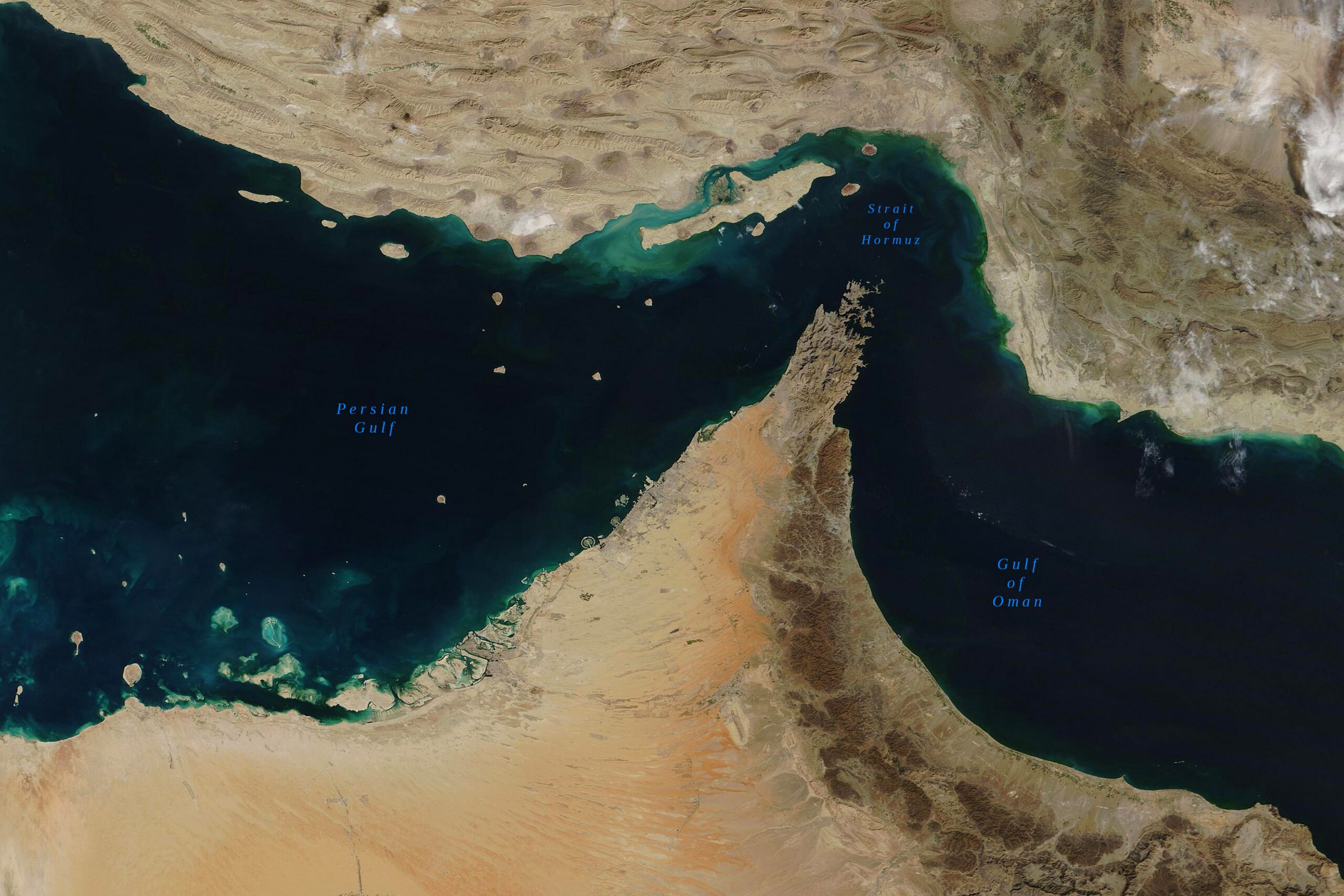
Commercial shipping through the Strait of Hormuz has effectively ceased, with traffic dropping to a mere trickle despite a US-Iran ceasefire announced in April 2026. Historical precedents from early 2026 show that even brief reopenings, such as the one on 21 April, were instantly reversed within a day, leading to a precipitous collapse in vessel passages from roughly 120 daily to under 20. Current data confirms the strait remains closed, with only six vessels navigating in a single 24-hour period, reinforcing why the market assigns a 9% probability to a return to normalcy by June; the pattern suggests that geopolitical deadlock, rather than temporary disruption, is the primary driver of this suppression[2][3].
Traders approaching this programmatically must monitor the Joint Maritime Information Centre’s daily assessments and real-time AIS feeds for any sustained uptick in transit calls, as the settlement condition requires a seven-day moving average of at least 60 arrivals. The critical catalyst is not merely the cessation of conflict but the restoration of commercial routing certainty, which remains absent despite the ceasefire; recent reports from Reuters highlight that commercial traffic is still constrained by ongoing routing uncertainties and limited transits[2]. A conditional order strategy would trigger only upon a confirmed seven-day trend above the threshold, as sporadic spikes—like the 55 eastbound ships recorded on 28 February followed by a drop to 18 the next day—do not satisfy the settlement criteria[1]. The persistence of loitering vessels and war-risk insurance premiums further indicates that normal traffic levels are unlikely to resume without a definitive shift in regional security dynamics[8].
Methodology
Methodologically we separate two layers: the live probability (Polymarket mid-price) and the platform attributes (fee, KYC, settlement currency, payment rails). The odds column is filled only where we have clean data — that avoids the made-up numbers that get a network demoted when search engines cross-check against the source venue.
Resolution & payout
At resolution the UMA oracle takes over: a proposer posts the outcome with a bond, any token holder can dispute within two hours. Without dispute the result is accepted and the smart contract distributes USDC instantly.
On Kalshi (CFTC-regulated) resolution runs through their in-house clearing engine in USD. Betfair Exchange settles after match end in the account's local currency. Manifold pays no cash — only its in-platform "mana" currency.
FAQ
- How does resolution work?
- Through the UMA Optimistic Oracle on Polygon: a proposer submits the outcome, a two-hour challenge window opens, and USDC payouts settle automatically once the result is final.
- What's the difference between YES and NO shares?
- A YES share pays $1.00 if the event happens, $0 otherwise. A NO share pays $1.00 if the event doesn't happen. The market price between 0¢ and 100¢ is the implied probability.
- What does it cost to trade on Polymarket Bot UK?
- Zero. Polymarket Bot UK routes every order to the live Polymarket order book; the only cost is the Polygon network fee, typically under $0.01 per transaction.
- How fast are USDC deposits?
- Polygon credits deposits after 12 confirmations — usually under 30 seconds. Withdrawals follow the same path and land back in your wallet within minutes.
- Do I need to KYC for this market?
- Not under $1,500 of lifetime trading volume. Above that threshold, Polymarket Bot UK triggers a quick verification flow that finishes in minutes.
%22%2F%3E%3Cpath%20d%3D%22M%206%2066%20A%2026%2026%200%200%201%2058%2066%22%20fill%3D%22%23E6B98D%22%20opacity%3D%220.9%22%2F%3E%3Ccircle%20cx%3D%2232%22%20cy%3D%2226%22%20r%3D%2222%22%20fill%3D%22%23F5CBA7%22%2F%3E%3Crect%20x%3D%2214%22%20y%3D%224%22%20width%3D%2236%22%20height%3D%228%22%20rx%3D%224%22%20fill%3D%22%230ea5e9%22%2F%3E%3C%2Fsvg%3E) and
and%22%2F%3E%3Cpath%20d%3D%22M%206%2066%20A%2026%2026%200%200%201%2058%2066%22%20fill%3D%22%23E6B98D%22%20opacity%3D%220.9%22%2F%3E%3Ccircle%20cx%3D%2232%22%20cy%3D%2226%22%20r%3D%2222%22%20fill%3D%22%23F5CBA7%22%2F%3E%3Cpolygon%20points%3D%2216%2C18%2020%2C4%2024%2C18%22%20fill%3D%22%230ea5e9%22%2F%3E%3Cpolygon%20points%3D%2224%2C18%2028%2C3%2032%2C18%22%20fill%3D%22%230ea5e9%22%2F%3E%3Cpolygon%20points%3D%2232%2C18%2036%2C3%2040%2C18%22%20fill%3D%22%230ea5e9%22%2F%3E%3Cpolygon%20points%3D%2240%2C18%2044%2C4%2048%2C18%22%20fill%3D%22%230ea5e9%22%2F%3E%3C%2Fsvg%3E)
Trade Strait of Hormuz traffic returns to normal by end of… on Polymarket Bot UK
Live order book, 0% fees, USDC settlement in seconds.
Trade on Polymarket Bot UK →